Introduction
The world of recruiting has undergone great changes. With technology galloping ahead, the AI interview platform makes traditional recruitment methods seem obsolete. Are the new tools more capable, or do they still remain unfulfilled? For any hiring teams, it is essential to understand how AI stacks up against their traditional counterparts. This informs how much faster, cheaper, and fairer they can find their right fit. This article explores the evolution, merits, demerits, and how they can collaborate for intelligent hiring.
The Evolution of Recruitment: From Traditional to AI-Driven Platforms
Historical context of traditional hiring methods
Long before AI, hiring was basically about resumes and cover letters and the final face-to-face interview. Recruiters searched for skill sets and experiences that fitted the job. Unfortunately, this took longer than usual and relied fairly on gut feelings. Even fair decisions were often subjected to the influence of different biases, whether conscious or unconscious. If an alternative talent was found outside of personal networks, companies just lost that opportunity.
Emergence of AI-powered interview platforms
We can see now that we are truly in the age of AI. Platforms oriented towards AI, such as HireVue or Pymetrics, examine applicants using chatbots, video calls, or skill tests. Machine learning or facial recognition is interfaced within these platforms to analyze responses. Instead of spending hours filtering through resumes, now algorithm-based insights are immediately available to the recruiter. The revolution introduced quick hiring and the opportunity to widen the available candidate pool.
Adoption trends and market statistics
A rapid proliferation of AI in recruitment is currently being witnessed. According to the market report, the hiring solutions market for AI technology is projected to expand at a compound annual growth rate of over 7%. AI hiring solutions are now being serenely used by organizations irrespective of size. Major companies are paving the way forward; when many organizations employed AI tools, they reported reductions in time-to-hire by 50%.
Advantages of AI-Powered Interview Platforms
Maximized efficiency and speed
Reducing the time of hiring by automating some of the processes is a huge time saver. The platforms organize interview schedules, evaluate skills, and even filter candidates without human intervention. A case in point is a tech startup that reduced its hiring cycle from six weeks to two with AI screening. You have to admit, that is speed aligned with current marketplace needs.
Better Candidate Experience
Candidates can get assessments on their time and in their space. AI chatbots work round the clock, answering questions and bringing a friendlier atmosphere to the process. Candidates report to feel less anxious and more favourably judged because, in their view, algorithms assess only skills and not biases. A few appreciate the transparency AI provides to their applications.
Data-Driven Decisions
AI does not make a guess; it makes an analysis. By crunching data, these platforms will predict how much of a fit a candidate might be. Their analytics help teams not to feel guilty for following their gut on occasion, making the hiring decision with more diverse and qualified candidates. Studies have shown AI being able to debias hiring processes while promoting workplace diversity.
Cost-Effectiveness
Hiring costs can be astronomically high, including the costs of advertising all the way to the costs of interviews. AI can reduce costs by automating repetitive tasks and minimizing the need for interviews. In some cases, companies have reported that, for every dollar they invested in using AI tools, they saw a return of $1.50. By hiring faster, vacant positions stay vacant for fewer days, leading to greater productivity.
Disadvantages and Challenges Facing AI Interview Platforms
Potential bias and fairness considerations
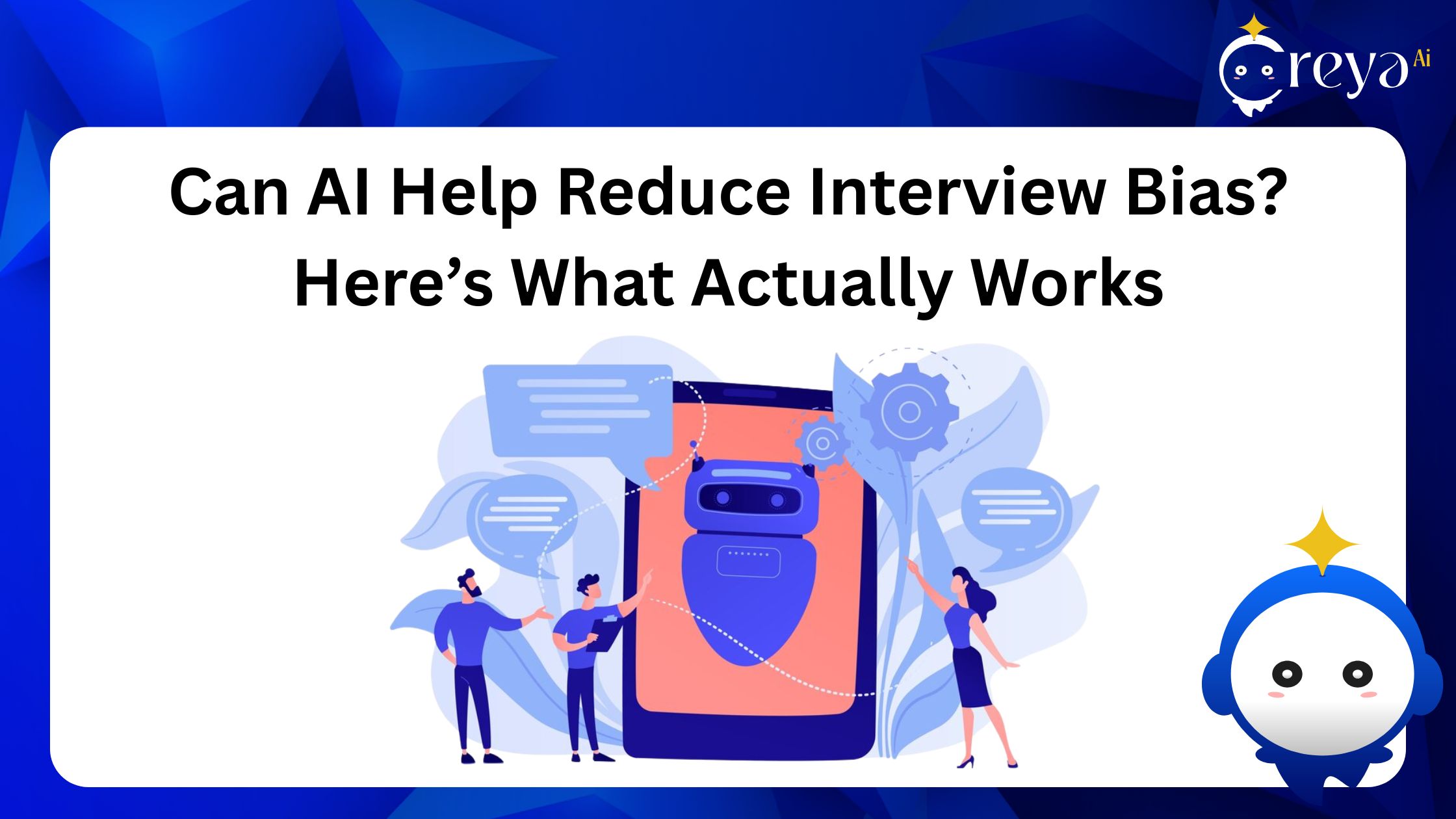
Since AI systems learn through data, that data might be flawed. If recruitment data from the past was tainted by bias, algorithms might inadvertently favor one group against another. A case should be mentioned here concerning facial recognition tools, which have shown bias against minorities. Unamended, this situation threatens the risk of creating unfair discrimination.
Loss of Human Touch and Gut Feeling
Unlike great interviewers, algorithms cannot read between-the-lines. Soft skills such as empathy, cultural fit, and communication often require a human touch. Total reliance on AI may lead to overlooking candidates who have a lot of potential but tend to be unorthodox in their responses.
AI Interview Platforms vs. Classic Hiring – An Ultimate Comparison
Introduction
A drastic change has occurred in the world of recruiting. With technology racing by, almost making the traditional recruitment methods seem obsolete, do the makers of these new tools really have it in them? Hiring teams must, however, understand how AI methods stack up against the more traditional ones, as this can dictate how much easier, faster, cheaper, and fairer, finding their great fit can ever be. This article would study: the origin, pros, cons, and synergy of AI and conventional methods for intelligent recruitment.
Evolution of Recruitment: From Traditional to AI-Driven
Historical context of traditional hiring methods
Before AI, hiring was just about resumes and cover letters and then face-to-face interaction. Recruiters were looking at skill sets and experiences that fitted the job. Unfortunately, more often than not, this took a pretty long time and relied practically on gut feelings. Some fair decisions ended, however, under the influence of different biases, whether consciously or subconsciously. Whenever an alternative talent was found beyond personal networks, companies just lost the opportunity.
Emergence of AI-Powered Interview Platforms
We see now we really are in the age of AI! AI-oriented platforms like HireVue or Pymetrics interview applicants via chatbots or video calls or skill tests. Machine learning or facial recognition is interfaced to these platforms to analyze the given input. Instead of spending hours filtering through resumes, algorithm-based insights are available to the recruiter immediately. Revolutionized hiring is fast and gives an opportunity to expand the candidate pool.
Adoption trends and market statistics
Currently, we are witnessing a rapid spread of AI in recruitment. The hiring solutions market for AI technology shall grow with a compound annual growth rate of 7% and more, as per the market report. AI hiring solutions have silently found their way into organizations, irrespective of the size. Big companies are heading the front; where many companies using AI tools reported hitting 50% reductions in time-to-hire.
Advantages of AI-Powered Interview Platforms
Maximized efficiency and speed
Completely automating some processes greatly reduces the time of hiring. The platforms organize interview schedules, evaluate skills, and even filter candidates without human intervention. One tech startup had its AI screenings cut its hiring cycle from six weeks to just two. That speed, it has to be admitted, is in keeping with today’s global marketplace.
Better Candidate Experience
Candidates can take assessments on their schedule and in their environment. AI chatbots are available 24/7 to respond to questions, helping to create a more congenial atmosphere around the process. Candidates say they feel much less nervous and more favorably assessed because, in their view, the algorithms assess them simply for skills and not any biases. A few appreciate the transparency AI gives to their applications.
Data-Driven Decisions
AI does not guess; it analyzes. These platforms will analyze the data and predict how much a candidate can fit. Their analytics can make teams feel less guilty about trusting their gut instinct occasionally by allowing them to hire a more diverse and qualified candidate. AI has been proved to reduce bias in the hiring process and encourage diversity.
Cost-Effectiveness
Hiring is inherently expensive-largely, advertising costs to interview costs. AI eliminates the shell by the so-called repetitive work and avoids the interview in some cases. Companies have claimed, in some instances, that they maximize their return under $1.50 for each dollar they allocated on AI tools. AI promotes fast hiring, enabling the least possible days of a vacant position standing unfilled and thus boosting productivity.
Disadvantages and Challenges Facing AI Interview Platforms
Potential bias and fairness considerations
AI systems learn through data, and that data may be biased. In case recruitment data from the past had biases, there is a chance the algorithm will favor one group against another by default. A mention must be made of the facial recognition tools that have shown bias against minorities. Lest it be corrected, there is a risk for it to establish unfairness.
Loss of Human Touch and Gut Feeling
Algorithms cannot read between the lines as great interviewers would. Empathy, cultural fit, and communication are some of those soft skills that require human intervention. An exclusive dependence on AI could result in skipping those candidates who deep down are bursting with potential but tend to be unorthodox in their responses.
Share this post