Introduction
Aided by AI, recruiting is no longer considered a fad; it has become a bona fide method adopted in the recruiting process of most companies. From chatbots to virtual assessment tools, AI is elbowing its way into candidate assessment. But what are the genuine feelings of jobseekers about this? Do they have confidence in AI, or do they dread its power to do more harm than good? What really matters is that developing an impression of what candidates feel would help organizations secure the best talent while ensuring fairness in the process. This article goes into the thoughts of candidates concerning AI interviews with emphasis on their worries, advantages, and expectations from the system. Results from real data, expert insights, guidance for recruiters and applicants, and some proprietary information pertaining to Creya AI will follow.
How AI Is Changing Recruitment Landscape
Evolution of AI in Hiring
AI has entered the world of recruiting with changing times. Initially, the systems were just about simple chatbots designed to answer basic questions or screen resumes; they are now the advanced systems including Creya AI that analyze videos, scan hundreds of applications instantly, and even assess soft skills. While a good number of companies began testing AI tools around 2015, it is in the more recent past that these have come to be seen as part of the normal hiring process. Those speeds up decision-making, widens avenues to reach more candidates, and reduces human bias in assessing them. For example, some companies are now using AI to filter thousands of applications within minutes, saving recruiters hours.
Benefits of AI for Employers and Candidates
Its various uses therefore have much to benefit employers. It shortens the time taken to find a right fit. Instead of going days or even weeks waiting for results, initial data could often come back in a matter of hours. This can make the hiring process more just and fair because it will stress the skills concerning the positions they seek to fill rather than emphasizing personal traits. Candidates seem to appreciate this as it would make the whole process look more objective. Moreover, virtual or fully automated interviews using platforms like Creya AI allow individuals to pick any time and place that works best for them, which basically creates flexibility.
Famous Tools for Candidate Evaluation Using AI
- By now, you may have seen many of the following tools in action:
- Video interview platforms: HireVue, Creya AI, and others analyze facial expressions, tone of voice, and content of interviews.
- Resume screening software: These programs scan resumes to pick out the best matches.
- Chatbots: These answer FAQs and do quick pre-screening chats with job seekers.
- Such tools make hiring faster and more consistent, but they bring hurdles nonetheless.
Candidate Perspectives on AI-Driven Interviews
General Attitudes and Perceptions
Many surveys show that candidates feel mixed, generally, about the AI being used in interviews. People are comfortable to some extent- especially when they perceive it to be fair; others, however, have concerns of privacy or bias. Much goes to their heads: Is my data safe? Can the AI judge any way if I am right for this role? People tend to trust humans over machines, although they tend to consider the possibility of an objective decision if Creya AI were used.
Pros of AI Candidates Appreciate
Indeed, many candidates see perks in AI interviews:
Fairness: AI is impartial as it does not judge based on gender, age, or appearance, and focuses only on skills.
Convenience: With Creya AI, virtual interviews can be more easily scheduled and do not require travel.
Anonymity in early steps: Early assessments often hide personal details, thus diminishing the importance of such details for fairness in the eyes of candidates.
Widespread Concerns of Candidates and Problems with AI
On the opposite, certain dark clouds hang over AI:
Lack of personal touch: Nobody wants that.
Accuracy doubts: Does the AI really understand soft skills or personality traits?
Fear of dehumanization: People have fear their jobs will be replaced or unfairly judged.
Limited expression: Quite difficult to show one’s personality when only responding through AI or-video.
Candidate Experiences in Brief
These mixed emotions can often be seen when reading reviews on websites such as Glassdoor. Some describe inspiring stories, detailing how AI interviews helped distinguish them. Others describe feeling out of touch or unsure whether the AI truly understood their answers. Candidates demonstrating a good level of preparation, an understanding of the AI being used, and displaying a calm attitude generally found it easier to pull through, even when it was a system like Creya AI.
Candidate Selection and Diversity: How AI Helps
Increasing Inclusion and Reducing Bias?
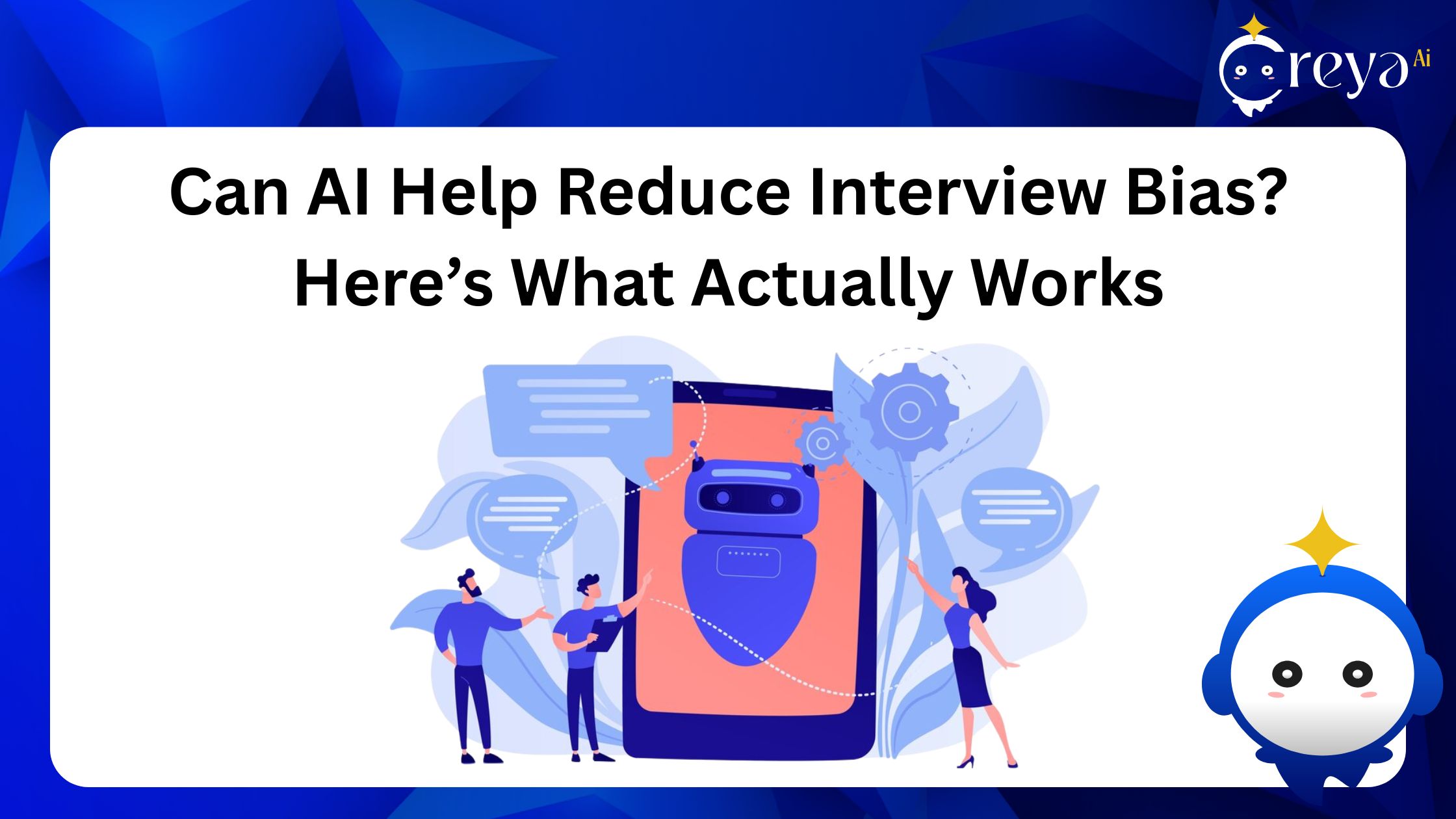
According to the experts, AI may be justified to ensure fairness. But the one bummer, though, is that it cannot guarantee fairness. AI, if trained well, can identify brilliant candidates from among a pool of candidates irrespective of background. But this can be thwarted if the training data used are biased; such AI would skew against vulnerable groups. As far as reduction of the risk is concerned, using Creya AI should secure some benefits, but companies ought to be vigilant.
Candidate Diversity and AI Effectiveness
Artificial intelligence enables tapping into a larger talent pool, including those candidates who may not otherwise shine in a traditional interview environment. There may be occasion that it is not very fair in different cultures or languages. Regular checks and revisions are paramount to ensuring fairness on the Creya AI platform.
Recommendations for Fair and Inclusive AI Use
To keep it fair, organizations should:
- Share clear and transparent information about how Creya AI or similar platforms assess candidates.
- Train AI models on diverse data sets.
- Always include humans in the final decision.
- Seek applicants’ feedback on the process and improve it.
Candidates’ Tips for Handling AI Interviews
Preparatory Activities
If your upcoming interview will be AI-based—maybe assisted by Creya AI—here are some tips worth considering:
- Know which tools the organization uses.
- Practice with available online mock AI interview platforms.
- Check your equipment: internet connectivity, clarity of audio, and correct lighting.
- Choose a quiet and naturally lit place to record your answers.
Speaking Pilot Without Humanity
In AI interviews, it is equally important to demonstrate soft skills. Give a smile and sit up straight; speak clearly and use a natural tone. Above all, enjoy it! Some platforms, including Creya AI, analyze your tone and facial expressions. Maintain a positive spirit, and engaging yourself will set you right.
Post-Interview Measures
After submitting your responses, follow up to demand feedback. If any technical glitches were encountered, raise a polite note of them. Asking for feedback puts the active candidate ahead in getting a better experience, which equally helps in the enhancement of the AI interview process in drawing better candidates.
Future Roadmap: AI and Candidate Experience
AI is becoming advanced. Future technologies, including platforms like Creya AI, can have much more personalization-wise interactions that feel sincerely empathetic. As machines learn emotion, candidate experience will be closer to what a human feels while talking to a bot. But it is much more important to balance these by mixing machines with humane touch.
Conclusion
Candidates are divided over AI in interviews. Many respect the fairness and convenience it offers; some are afraid that the human touch will be lost. For organizations, being honest about the use of programs such as Creya AI will be key in ensuring all candidates trust them. Building trust relies heavily on transparency and fairness. Regularly obtaining feedback from applicants will greatly further the fine-tuning of the process. Thoughtfully applied, AI should expedite, assure, and extend inclusiveness in hiring. The humane dimension must never be absent—human beings, at the end of the day, want to feel seen and heard, even in the context of a digital interview. AI can be utilized in such a way that it is an enabler for better candidate experiences throughout their journey.
Share this post